Trusted Local Appraisal Professionals Supporting Real Estate Transactions
Grasping the Role of a Real Estate Appraiser: Your Resource to Property Valuation
A real estate appraiser plays an essential role in determining property values. These appraisals impact all parties including buyers, sellers, and lenders. Through assessing diverse variables, appraisers supply information that shapes crucial financial determinations. Still, a significant number remain unfamiliar with the nuances involved in this practice. Comprehending the role and methods of appraisers can significantly affect real estate dealings. What critical factors do these professionals analyze, and how do they maintain accuracy in their appraisals?
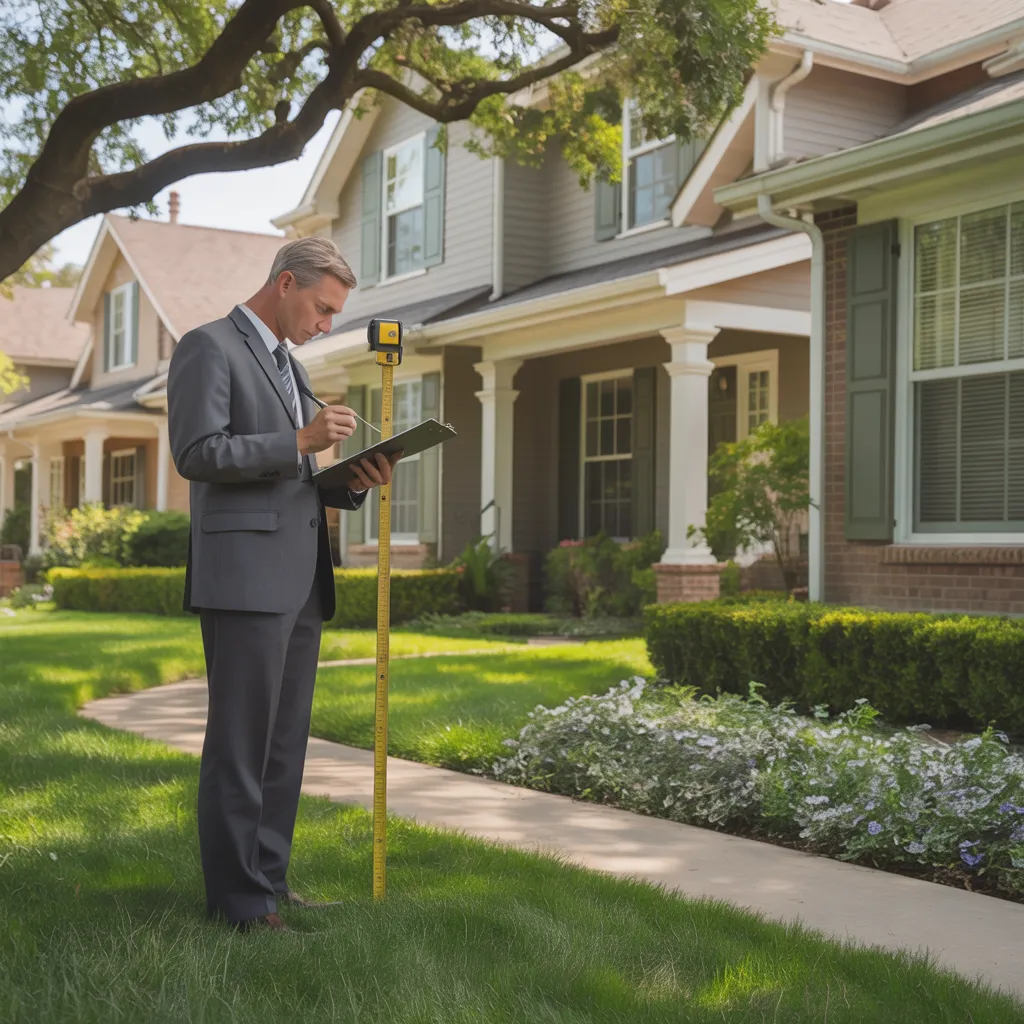
Who Is a Real Estate Appraiser?
An appraiser in real estate is a trained professional who evaluates the market value of properties. The job entails evaluating numerous factors, including site location, market dynamics, and property attributes. Appraisers apply uniform techniques and standards to provide reliable valuations, typically employing similar property sales information and earning capacity for commercial properties.
They serve a vital role in real estate transactions, providing unbiased appraisals of value that help buyers, sellers, and lenders form informed decisions. Appraisers must possess strong analytical skills and a thorough understanding of the real estate market. Nearly all states require appraisers to hold specific licenses and certifications, confirming they follow regulatory standards and ethical practices.
These reports, generally comprehensive and meticulous, function as vital documents for mortgage approvals, estate settlements, and tax assessments. As a result, real estate appraisers play a significant role in the trustworthiness and effectiveness of the property market.
The Importance of Property Valuation
Property valuation acts as a cornerstone for effective real estate transactions and investment decisions. Reliable property valuations deliver essential insights into market conditions, helping buyers and sellers determine fair prices. For lenders, appraisals determine collateral values, making certain that loans are secured appropriately. Additionally, investors rely on property valuations to evaluate potential returns and risks, guiding their investment strategies.
Property valuations play a crucial role in property tax assessments, impacting local government revenues. An accurate appraisal can assist property owners challenge inflated tax bills, thereby safeguarding their financial interests. Additionally, understanding property value enables effective negotiation, empowering individuals to engage with well-informed positions.
Ultimately, property appraisal is vital for promoting openness and confidence in the real estate market, enabling parties to make educated decisions grounded in objective data. This foundational aspect of real estate reinforces the importance of skilled appraisers in supporting fair and equitable transactions.
Key Factors Influencing Property Worth
Multiple significant elements play a vital role in assessing property value. Location and neighborhood trends greatly influence buyer perception, while property condition and characteristics may add to or reduce its attractiveness. In addition, supply and demand forces in the market additionally determine comprehensive valuation in a competitive real estate landscape.
Neighborhood Trends and Location
Although the condition of a property plays a substantial role in its appraised value, location and neighborhood trends frequently hold even more substantial influence. Appraisers consider several factors concerning location, including proximity to schools, public transportation, and essential services. Areas with low crime rates and top-tier schools typically draw more buyers, increasing property values. Furthermore, emerging neighborhoods with new developments or revitalization efforts can indicate rising demand, further elevating property worth. Market trends, such as rising home prices or shifts in demographics, also impact valuations. In the end, an appraiser's understanding of these location dynamics is crucial in determining a property's value, as they reflect the desirability and potential for future appreciation in the real estate market.
Property Status and Characteristics
The comprehensive state of a property along with its particular attributes substantially affect its evaluated worth. Assessment professionals thoroughly analyze both inside and outside components of a property. Factors such as the age of the roof, the quality of plumbing and electrical systems, and the state of appliances are essential. Furthermore, contemporary improvements or remodeling projects can significantly increase worth. Distinctive amenities, such as pools, energy-saving windows, or designed outdoor spaces, likewise add favorably to assessment results. On the other hand, shortcomings, such as structural problems or antiquated styles, can result in a decreased assessment. Therefore, an evaluator's appraisal encompasses a thorough investigation of property state and attributes, securing an exact depiction of its market standing.
Market Demand and Supply
The interplay of market supply and demand plays an essential role in defining property value, as fluctuations in these dynamics can greatly influence pricing. When demand for properties exceeds supply, prices typically climb, reflecting the competitive nature of buyers in the market. Alternatively, an oversupply of properties can lead to decreased prices, as sellers may need to lower their expectations to attract buyers. Financial circumstances, interest rates, and demographic trends further impact supply and demand dynamics, shaping buyer behaviors and preferences. For appraisers, understanding these factors is critical for accurate property valuation. By examining local market trends and conditions, real estate appraisers can provide insights into how supply and demand variations affect property values, empowering stakeholders to make informed decisions.
How the Appraisal Process Works
Comprehending the appraisal process is vital for both buyers and sellers, as it acts as a key step in assessing a property's fair market value. The process generally begins with the appraiser carrying out a detailed inspection of the property, noting its condition, size, and special features. Following the inspection, the appraiser researches comparable properties in the area, analyzing recent sales data to establish a contextual framework for valuation.
Following the collection of essential data, the appraiser applies different approaches to assess the property, like the cost, sales comparison, and income approaches. Every method presents insights into different aspects of property valuation, ensuring a thorough assessment. After finishing the analysis, the appraiser compiles their findings into a comprehensive report that is provided to the client, offering an objective evaluation that facilitates informed decision-making. Grasping this process equips stakeholders with the knowledge to deal with real estate transactions efficiently.
Various Types of Appraisals
Though different appraisal methods are present, every one serves unique functions suited to various property classifications and customer needs. The three main types of appraisals include the cost approach, the sales comparison approach, and the income approach.
The sales comparison method is typically utilized for residential properties, comparing the subject property against recently sold, similar homes in the area. The cost approach determines the value according to the cost to rebuild the property, factoring in depreciation, rendering it well-suited for newly built properties or unique properties.
The income method is primarily employed for rental properties, where the appraiser analyzes the revenue generation capacity and costs related to the property to determine its value.
Each approach delivers a valuable perspective on property valuation, making sure that clients receive customized assessments aligned with their specific objectives. Comprehending these distinctions enables clients make informed decisions in their real estate transactions.
Typical Misbeliefs About Appraisers
Many people have misconceptions about the function and responsibilities of real estate appraisers, commonly causing confusion related to their value in the property transaction process. One widespread belief is that appraisers decide property prices; in reality, they deliver an objective valuation grounded in market data and property features. Another misconception is that appraisers work for sellers or buyers; however, they are generally independent professionals who serve lenders to maintain fair lending practices. Additionally, many people believe appraisals are straightforward and quick; in fact, thorough appraisals necessitate extensive research, analysis, and time to produce accurate results. Some may also assume that appraisers are biased or influenced by external factors, but reputable appraisers adhere to strict ethical standards and regulations. Understanding these misconceptions is critical for understanding the crucial role appraisers play in real estate transactions and property valuation.
How to Find the Right Appraiser for Your Needs
Selecting the right appraiser demands thorough consideration of their credentials and experience. Furthermore, understanding an appraiser's specialization and expertise in a specific property type can greatly impact the accuracy of the appraisal. Assessing these factors confirms that clients select a professional suited to their specific needs.
Credentials and Experience
Selecting an appraiser necessitates thorough consideration of their credentials and experience to guarantee accurate property valuation. Prospective clients should validate that the appraiser possesses appropriate licenses and certifications, which typically include state licensure and professional memberships in organizations such as the Appraisal Institute or the American Society of Appraisers. Experience is equally essential; an appraiser's track record in the specific type of property being evaluated can markedly influence the quality of the assessment. It is advisable to question the number of years the appraiser has been in the field, as well as their familiarity with local market trends. Finally, a combination of strong credentials and relevant experience guarantees that clients receive trustworthy and precise property valuations.
Specialized Knowledge and Proficiency
The specialization and expertise of an appraiser play a crucial role in the property valuation process. Various property types, including residential, check now commercial, or industrial, demand particular knowledge and expertise. When choosing an appraiser, it is important to consider their area of specialization to provide a thorough evaluation. For example, a residential appraiser may excel in single-family homes, while a commercial appraiser is more suited for multi-unit buildings and retail spaces. Furthermore, appraisers may demonstrate proficiency in particular geographical areas, enhancing their understanding of local market trends. Clients should question the appraiser's experience with similar properties and request references to evaluate past performance. This customized approach guarantees that clients receive the most precise and applicable property valuation.
Common Questions
How Much Time Does an Appraisal Usually Take to Complete?
An appraisal typically takes between 1-3 hours at the property, depending on the property's size and complexity. The full procedure, which includes research and report preparation, typically takes between a few days and a week.
Can I Dispute an Appraisal if I Disagree With the Value?
If an individual disagrees with the value, they can challenge the appraisal. This typically involves providing additional evidence, such as comparable sales, to support their case and may require a formal appeal process.
Which Qualifications Are Important When Choosing an Appraiser?
In choosing an appraiser, one should consider qualifications such as state certification, relevant experience, specialized training, and membership in professional organizations. These elements enhance the appraiser's credibility and accuracy in property valuation.
How Are Appraisers Compensated for Their Work?
Appraisers are typically compensated through fees charged for their services, that can change based on the type of property, complexity level, and local market factors. Payment is normally obtained following the completion of the appraisal documentation.
Do Appraisals Affect Property Taxes Directly?
Yes, appraisals can directly affect property taxes. Tax assessments are frequently based on appraised values by local governments, which means higher appraisals may lead to increased property taxes, while reduced appraised values can result in decreased tax responsibilities.